In the rapidly evolving landscape of education, innovative learning methods are increasingly transforming classrooms worldwide, paving the way for enhanced student engagement and improved educational outcomes. As traditional pedagogical techniques become less effective in captivating the attention of digital-native students, educators are turning to creative solutions that cater to diverse learning needs and preferences, fostering a dynamic and inclusive learning environment.
One of the most prominent advances in contemporary education is the integration of technology-driven methods, such as gamification, virtual reality (VR), and artificial intelligence (AI). Gamification applies elements of game design, such as point scoring and competition, to non-game contexts like education, encouraging active participation and motivation among students. Schools employing gamified learning platforms have reported significant improvements in student performance and engagement, as these tools transform mundane lessons into interactive and enjoyable experiences.
Virtual reality is another groundbreaking tool that is redefining educational environments. VR offers immersive experiences that transport students to distant places and eras, enabling them to explore and interact with content in ways previously unimaginable. From walking through ancient cities to witnessing scientific phenomena firsthand, VR aids in developing a deeper understanding of subject matter and enhances retention by appealing to various sensory inputs.
Artificial intelligence, on the other hand, offers a tailored approach to learning. AI-powered platforms analyze individual student performance and provide personalized content and feedback, allowing learners to progress at their own pace. This individualized attention enables educators to focus on students who require additional support, fostering a more equitable education system where no one is left behind.
Beyond technology, educators are also embracing experiential and inquiry-based learning methods. Experiential learning, which emphasizes hands-on, real-world experiences, allows students to apply theoretical knowledge to practical scenarios. This method not only strengthens understanding but also bolsters critical thinking and problem-solving skills. Inquiry-based learning, which encourages students to ask questions and explore topics deeply, fosters curiosity and a love for lifelong learning, empowering students to steer their educational journey actively.
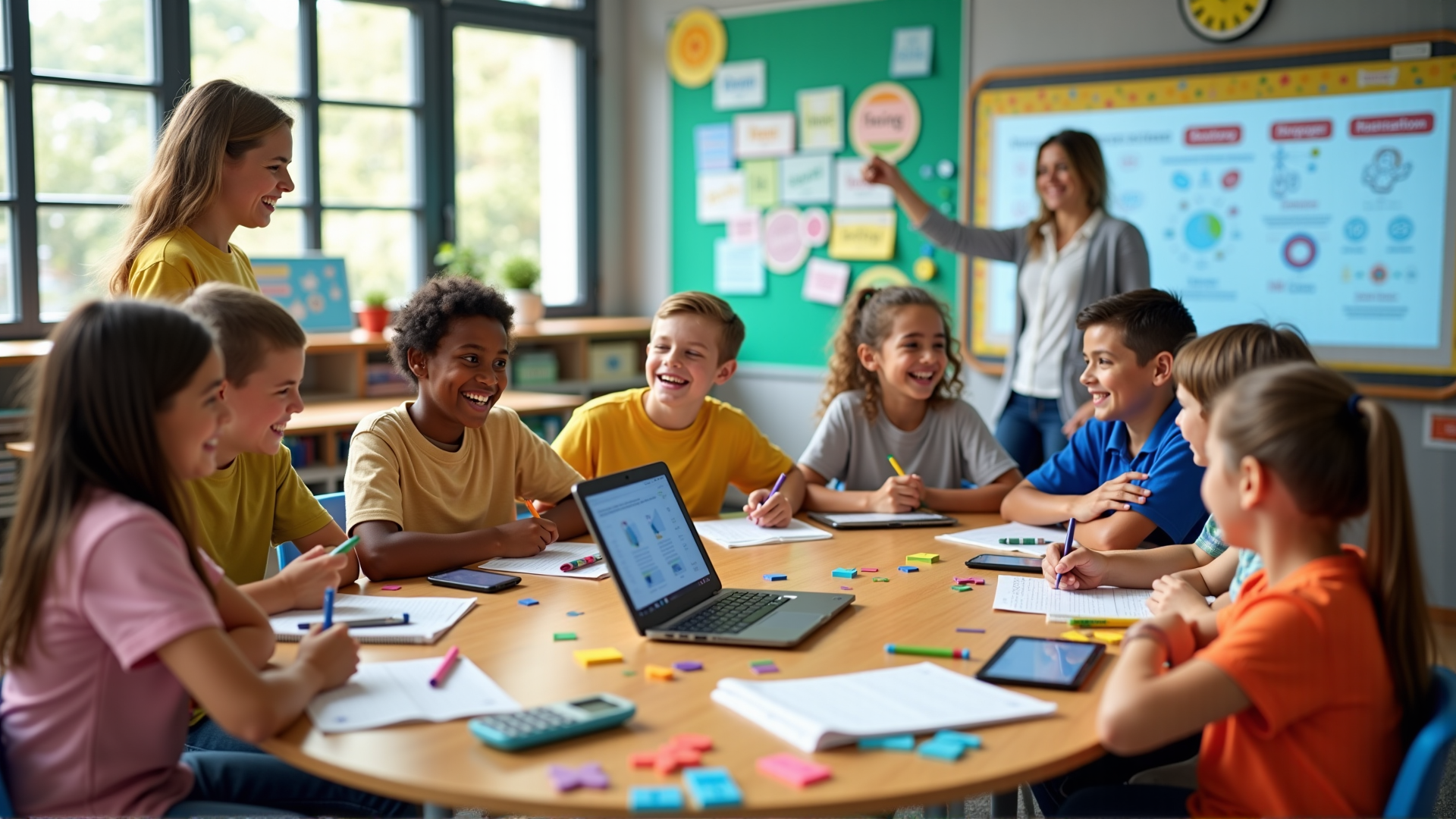
Collaborative learning is yet another transformative approach making waves in modern education. By working in teams, students develop critical social skills and learn the value of diverse perspectives and teamwork. This setup mirrors real-world scenarios, where collaboration and communication are often key to success, preparing students for future careers in an increasingly interconnected world.
Furthermore, the concept of flipped classrooms is reshaping how learning is structured. Instead of traditional lectures during class time, students consume instructional content, often digitally, at home at their own pace. Classroom time is then devoted to higher-order thinking tasks, such as discussions, projects, and application of knowledge, fostering a deeper understanding and mastery of subjects.
The rise of mindfulness and emotional intelligence programs in schools also highlights the growing awareness of the importance of mental and emotional well-being in education. These programs aim to equip students with skills to manage stress, build resilience, and understand their own and others’ emotions, contributing to a holistic learning experience.
In conclusion, these innovative learning methodologies are not just trends but essential components of the future of education. By adapting to the needs of the modern learner, educators are not only enhancing academic performance but also cultivating a generation of critical thinkers, problem-solvers, and empathetic individuals prepared to navigate an ever-changing world. As these techniques continue to evolve, the potential to transform classrooms worldwide remains boundless, promising a bright future for learners everywhere.